

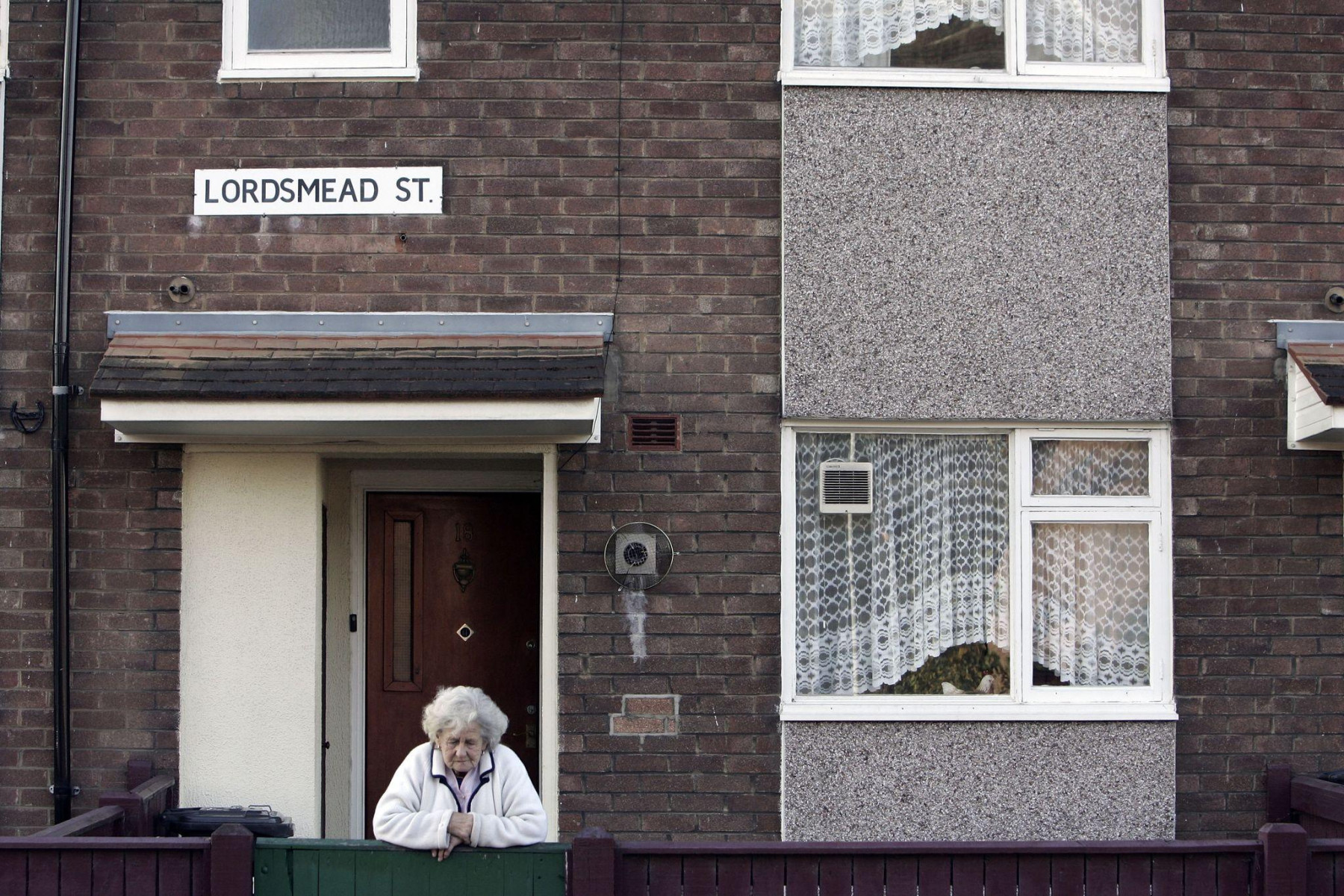
LARGE-scale regeneration schemes risk creating a sense of ‘cultural displacement’ among older residents, a University of Manchester report has warned.
The report’s authors said that regeneration must do more than build new homes and infrastructure, with investment also needed in community centres, faith spaces, local shops, and other places where existing residents form relationships and find support.
The warning comes from a new study examining the experiences of older people in north Manchester, where a series of regeneration projects worth billions of pounds are set to transform the area over the coming decades.
The research found that many older residents have a strong sense of belonging to their neighbourhoods and want to remain living there as they grow older. However, some fear that regeneration could lead to gentrification, rising housing costs and the loss of familiar community spaces, leaving existing residents excluded from the benefits of investment and creating divisions between communities.
The researchers say the findings have implications for regeneration projects across the UK, particularly as the population becomes older and more ethnically diverse.
Many older residents want to ‘age in place’ in the communities where they have built their lives, but many feel excluded from discussions about the future of their neighbourhoods.
Residents also expressed concerns that regeneration could lead to gentrification, exclusion and division, and questioned whether new homes and amenities would benefit existing communities.
North Manchester is undergoing one of the largest programmes of urban regeneration in the UK. The £6 billion north Manchester strategy includes the redevelopment of North Manchester General Hospital, a new mental health facility, and the Victoria North housing development, while other major schemes are planned across the area.
Victoria North alone is expected to deliver up to 15,000 new homes over 15 to 20 years, and has been selected as one of the Government’s New Towns Initiative sites.
The researchers said the scale of investment presents a major opportunity to improve health and wellbeing, but warn that the benefits must be shared with the communities already living in the area.
Dr Camilla Lewis, of the University of Manchester’s Manchester Urban Ageing Research Group, said, “Regeneration could potentially bring enormous benefits to communities, but it is vital that we don’t lose sight of the people who already live in these places.
“Older people have deep connections to their neighbourhoods and have built up knowledge, relationships and networks over many years. These are valuable assets for regeneration, not obstacles to it.
“If we want to create places where people can live well as they grow older, then older residents need to be involved in shaping the future of their communities from the outset.”
The report recommends that future regeneration should be equitable, embedded within existing communities, designed collaboratively with older people, culturally sensitive and supported by sustained investment in social infrastructure.
The researchers say the lessons from north Manchester are relevant to the wider UK as cities and towns respond simultaneously to an ageing population, housing pressures and major programmes of urban development.