


SKILLS, sustainability, and addressing the housing crisis should be among the top priorities for the incoming Scottish Government, construction sector leaders have told Project Scotland.
As first minister John Swinney confirms new cabinet appointments following the recent Scottish Parliament election, we asked a number of professional and trade bodies representing different aspects of the industry what their message would be for the new regime.
Paul Mitchell, MD of the Scottish Building Federation, said that with output from the Scottish construction industry falling in the final quarter of 2025 by 2.1% and with this negative trend due to continue throughout 2026, members are now faced with a slowing pipeline of building works, with reduced tender opportunities and ongoing pre-construction delays. “These economic challenges are now being exacerbated by spiralling material costs and energy bills,” he added.
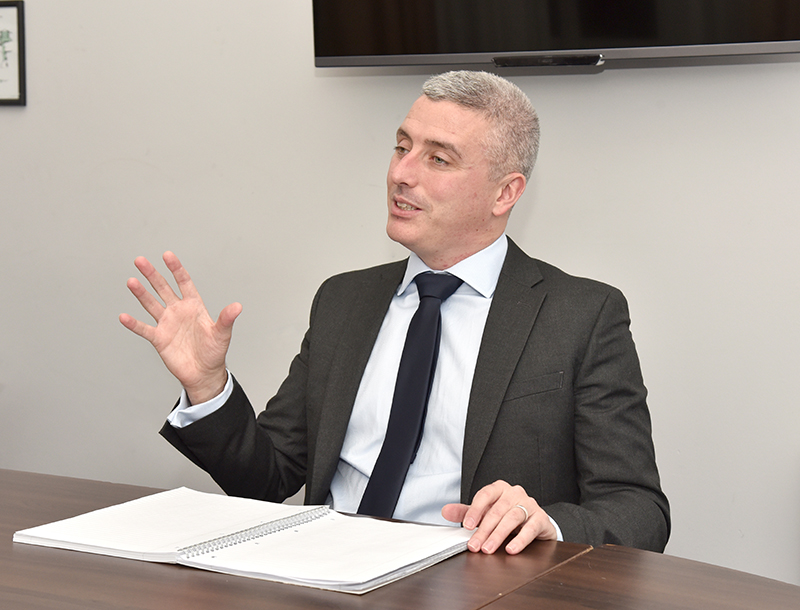
“We therefore encourage the Scottish Government to explore and exhaust all possible avenues to bring forward jobs, to redouble efforts to expediate the planning process and to re-examine the spending profile of the record £4.1 billion of public sector funding committed to the affordable housing supply programme over the next four years in order to identify opportunities to front load investment wherever possible.”
Gordon Nelson, Scotland director at the Federation of Master Builders (FMB), said the message is simple: shape policy to support the backbone of the construction and built environment sector: SMEs.
Gordon said the top three priorities should be skills and training; standards and licensing; and planning and housebuilding.
“The industry needs an estimated 3,590 additional workers per year between 2025 and 2029. The new government must prioritise skills and training funding for the sector and reduce the financial and administrative burdens on SMEs.
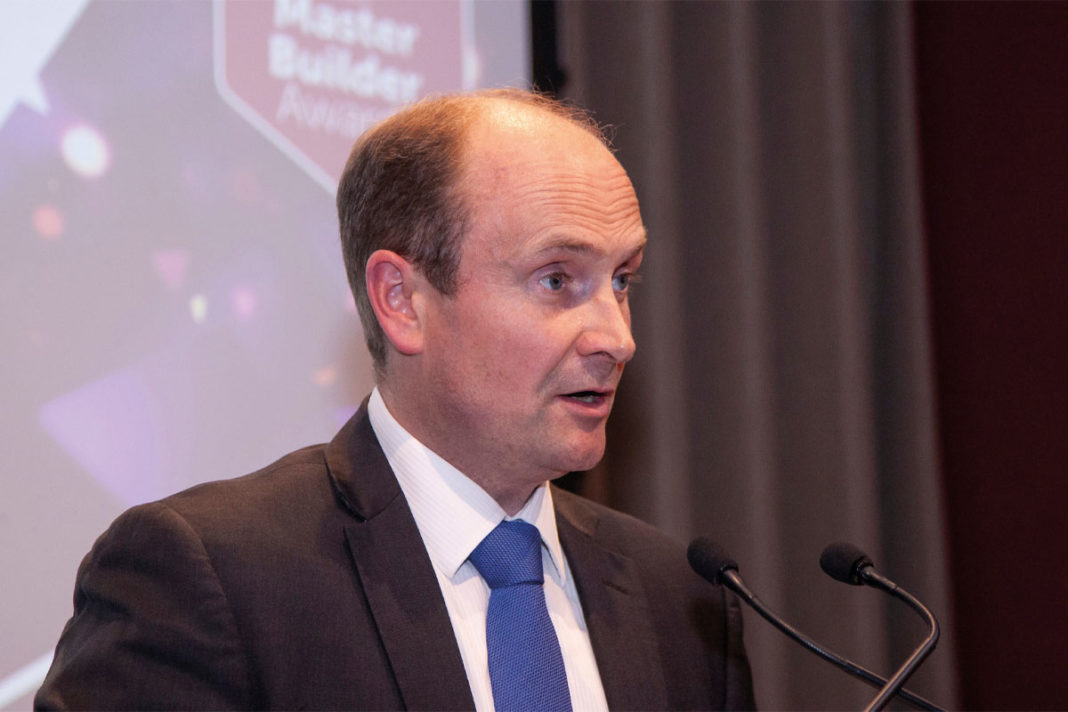
“Currently, anyone can legally carry out building work without demonstrating competence, posing serious risks to public safety and quality. Scotland must strengthen its building standards system and work with the UK Government to implement a licensing scheme for firms in the repair, maintenance, and improvement (RMI) sector.
“Scotland faces a housing shortfall of 100,000 homes, yet small housebuilders are delivering a fraction of what they built 30 years ago. Planning regulations must be revamped to help them build more.”
Sharon Miller, MD designate at SELECT, said it is vital that skills, training and competence are placed at the heart of priorities. “The transition to net zero and the ongoing electrification of society represent one of the most significant economic and technological developments in decades,” she explained. “Delivering this successfully will depend on a strong pipeline of highly skilled apprentices entering the electrotechnical profession and receiving high-quality, industry-led training.

“We must ensure apprenticeships are properly funded, accessible and aligned with real industry needs, while supporting employers – particularly SMEs and family firms – to invest in future talent. Equally important is a continued focus on competence. The installation and maintenance of renewable technologies must be carried out by properly trained professionals to ensure safety, quality and public confidence.”
The Royal Institution of Chartered Surveyors (RICS) said it looks forward to working with the new government to deliver shared ambitions across housing, infrastructure and sustainability. RICS has welcomed the announcement of More Homes Scotland, a longstanding RICS policy ask, but said that tackling the housing emergency, delivering net zero by 2045 and supporting economic growth will require ‘urgent action’ on skills and workforce capacity. RICS is calling for the prioritisation of apprenticeships, an expansion of the Energy Skills Passport, and for better alignment of skills funding with workforce needs.
RICS Scotland board chair, Professor Norman McLennan FRICS, said, “This is a pivotal time for Scotland’s built and natural environment. We face chronic shortages of skilled professionals, particularly surveyors, and urgent action is needed to support the sector’s next generation.”
Robert Toomey, RICS senior public affairs manager, added, “Whilst awaiting detail behind the national skills plan, we call on Scottish government to ensure the construction sector is prioritised.”
Fiona Hodgson, SNIPEF chief executive, emphasised that Scotland’s plumbing and heating profession sits at the centre of several national priorities – from housing and infrastructure to public health, water safety, energy efficiency and the transition to low carbon heating technologies.
“As the new Scottish Government takes office, we want to see recognition that achieving these ambitions depends on maintaining a sustainable pipeline of competent, qualified professionals,” she stated.

“Our research shows employers remain fully committed to the established four-year apprenticeship route, but many are facing growing pressures linked to supervision costs, productivity and the wider financial burden of training. Apprenticeships in safety-critical professions require high supervision and upfront costs unlike less technically demanding alternatives. Without employers creating these apprentice opportunities and investing in apprentices, there is no workforce for the future.
“We hope the government will continue working with industry on targeted, proportionate support that protects skills, supports employers and helps secure Scotland’s long-term economic and environmental goals.”
David Jarvie, president of the Scottish Plant Owners Association (SPOA), hopes to work constructively with government, highlighting that with an economic contribution of £6.4 billion to the UK economy, its members are well placed to provide input into key policy areas.
“We welcome the government’s pledge to increase apprenticeships and introduce an Apprenticeship Accelerator Grant,” he said. “However, we believe the government can go further by expanding apprenticeships and reviewing current funding models.
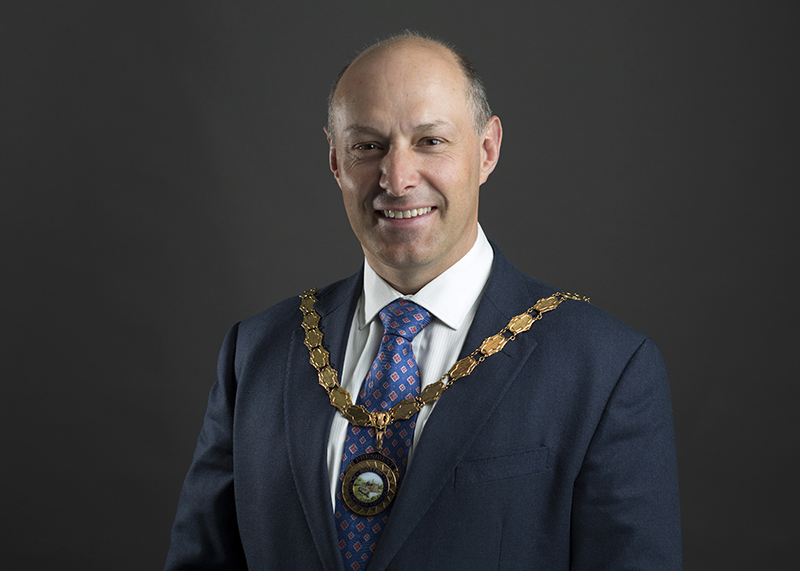
“The SPOA would welcome the opportunity to provide proactive input on how nationally significant projects can be delivered faster, a stated aim of the planned Scotland’s Major Projects Office. Whilst welcoming this initiative, the SPOA maintains that the appointment of a cabinet-level minister as a single, high-level voice for construction and infrastructure would make a meaningful difference. Again, we renew calls for a national construction skills passport with a digital system to record qualifications and health & safety certification for a mobile, modern workforce.”