
GLASGOW City Council has unveiled plans to open up land for the build of over 30,000 homes across the next decade.
Forming part of the local authority’s new city development plan, the blueprint also includes proposals to create economic development areas to deliver jobs and growth; regenerating the city centre; and progressing Glasgow as the ‘heart of Scotland’s only metropolitan area’.
City development plan 2 (CDP2) has been given the green light by the council’s economy, housing, transport, and regeneration committee. It will now go before the city administration committee for approval and will be the subject of public consultation.
Councillor Ruairi Kelly, convener for development, housing, and land use at Glasgow City Council, said CPD2 was, ‘vital for attracting investment and development and support the sectors which are key to Glasgow’s continuing economic growth’.
CDP2 provides the long-term framework for the future use of Glasgow’s land and infrastructure, guiding decisions on where development should and should not happen, and ensuring the delivery of ‘quality, accessible, and welcoming’ places across the city.
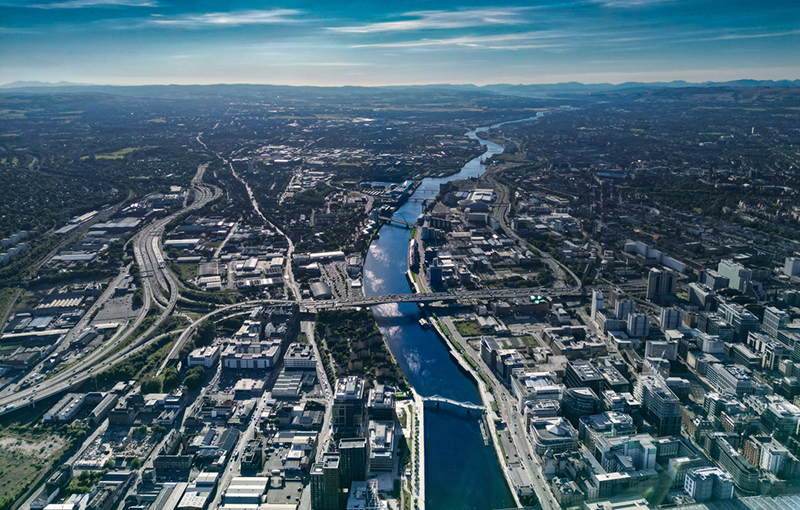
It includes 36 areas of change with the aim of making land available for over 30,000 homes along the River Clyde corridor, north and north-east Glasgow, the reuse of brownfield land for new homes, and a River Park along the Clyde.
The plan also features the creation of economic development areas as a focus for business growth and innovation, local town centre regeneration proposals for Drumchapel, Easterhouse, Shawlands, and Castlemilk, as well as the city centre, and delivering on the regeneration potential of the River Clyde corridor.
CPD2 also identifies priority areas for expansion in the city centre, alongside public transport and active travel improvements.
Councillor Kelly said, “The new city development plan is the roadmap for Glasgow’s future, across the next decade and beyond. It’s the blueprint for boosting our population, building tens of thousands of new homes, readying Glasgow for new employment opportunities, its status as the heart of Scotland’s only metropolis and continuing our world-leading work on the climate emergency.
“Once this draft is approved by Glasgow City Council, we will be seeking input from communities and developers alike to make sure we have a plan that delivers for everyone in the city and prepares us for the decades to come.”