
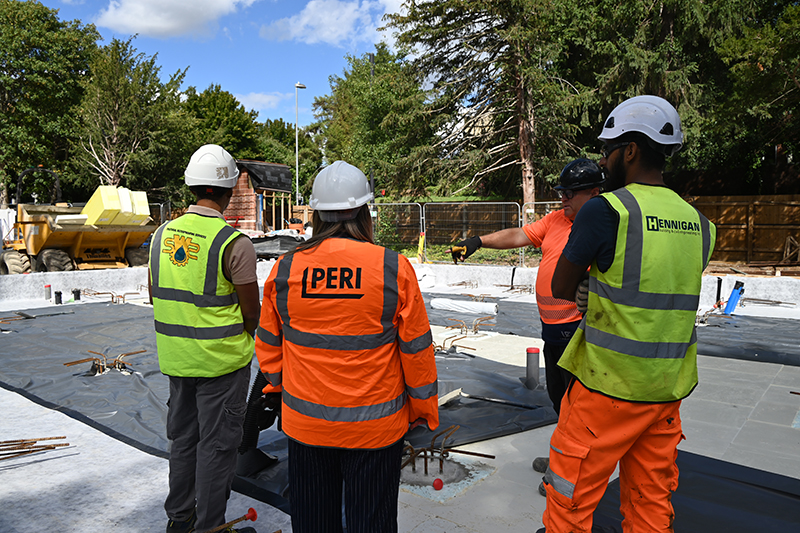
MARKING one year of partnership, PERI UK and Structural Waterproofing Services (SWS) are challenging the construction industry’s fragmented approach to waterproofing, and instead demonstrating how early collaboration and integration with formwork can reduce risk, save time, and eliminate costly problems later.
PERI explained that, across the sector, waterproofing is still commonly treated as a secondary process, introduced only after the concrete structure has been formed. This sequencing can lead to complications, including delays, increased costs, and a higher risk of defects requiring remedial work. Late-stage involvement also limits the ability to respond effectively to site conditions, forcing contractors into reactive solutions.
In addition, the separation of design, formwork, and waterproofing responsibilities across multiple parties can create communication gaps and coordination issues. On complex projects, this fragmentation increases administrative burden and introduces multiple interfaces where errors, delays, or misalignment can occur.
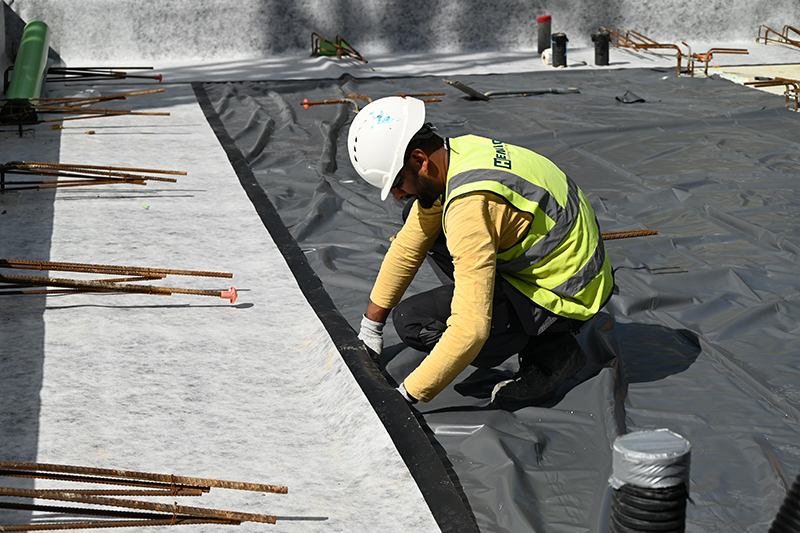
PERI UK and SWS set out to challenge this model by bringing together formwork and waterproofing into a single, integrated process. The approach centres on early-stage collaboration, where waterproofing is considered alongside formwork during the design and planning phases, well before concrete is poured.
“By aligning expertise from the outset, the partnership enables waterproofing systems to be installed in conjunction with formwork rather than retrofitted later,” said David Shoolheifer, director and general manager for business development at SWS. “This not only helps streamlines construction programmes but also significantly reduces the likelihood of defects and the need for costly rework.”
One example of this approach in action was at a student accommodation project in Cambridge, where the integrated model allowed teams to work collaboratively on site, resolving challenges quickly and efficiently. PERI said the result was a ‘smoother’ construction process, with improved sequencing and fewer disruptions.
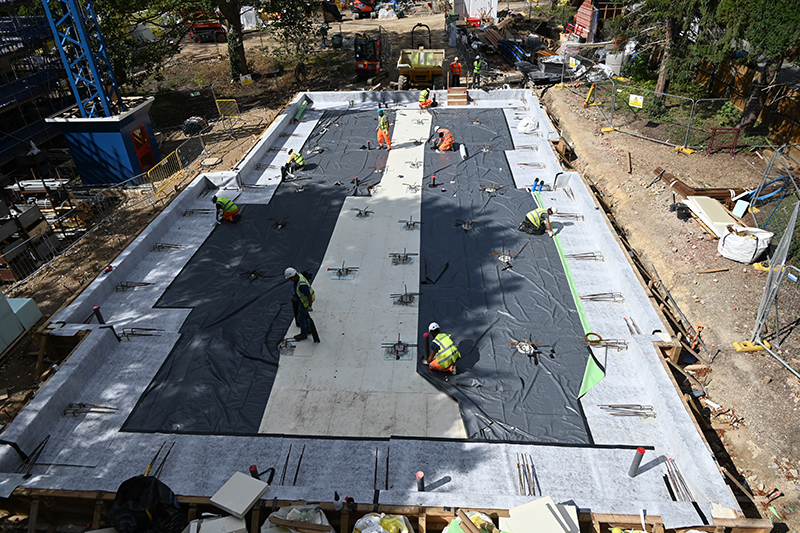
The partnership also incorporates advanced systems from BPA, a waterproofing product supplier.
Beyond individual projects, the collaboration reflects a broader shift within the construction industry. As projects become more complex and margins tighter, contractors and developers are increasingly seeking ways to simplify delivery, reduce risk, and improve accountability.
“The earlier in the design phase we are engaged with the client, the greater the potential for cost-saving,” David added. “Forward planning is the greatest asset for keeping costs down and timings on track. Knowing that we are going to be installing the waterproofing in conjunction with the formwork means greater anticipation of onsite conditions.”
Since its launch, the partnership is said to have demonstrated ‘measurable’ improvements in efficiency, coordination, and overall project outcomes. With a growing pipeline of opportunities, both companies see continued momentum for this model as the industry moves away from fragmented delivery toward more unified, collaborative approaches.
Looking ahead, PERI UK and SWS aim to further promote early engagement and integrated design as standard practice, helping clients avoid the pitfalls of traditional waterproofing methods while delivering more predictable, efficient, and cost-effective construction outcomes.