

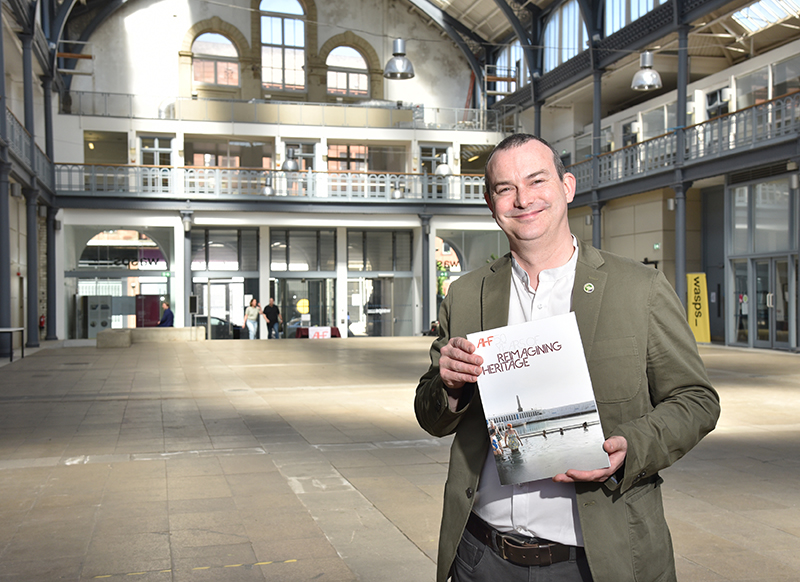
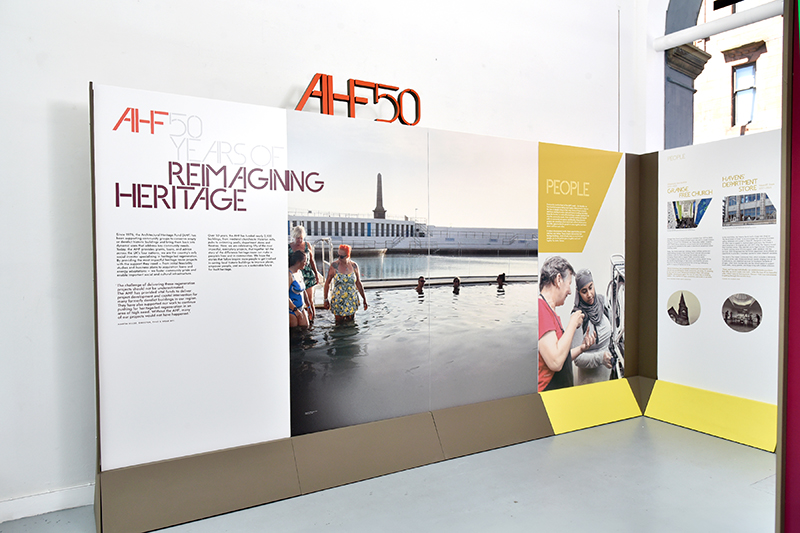
AN exhibition is taking place in Glasgow to celebrate the 50th anniversary of the Architectural Heritage Fund (AHF).
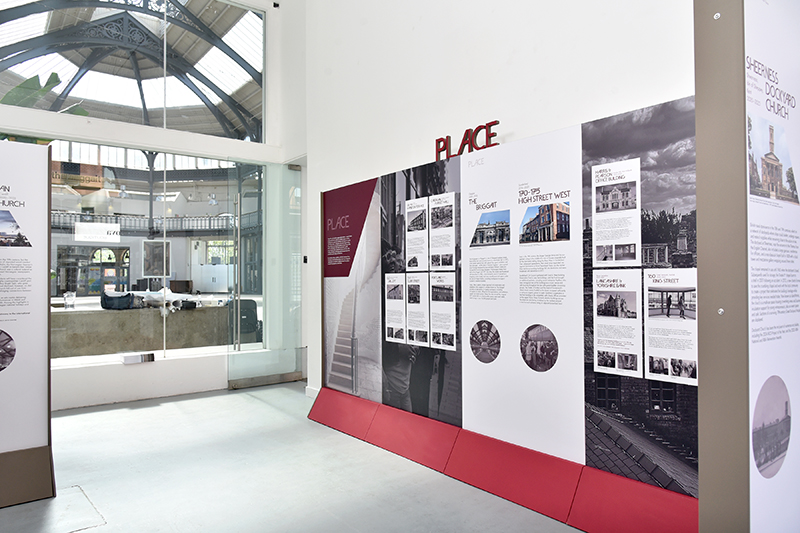
The Briggait is the venue for the showcase, which runs until May 16 and highlights many of the impressive heritage-led regeneration projects the AHF has supported over the past five decades.
Since its founding in 1976, the organisation has backed almost 2,500 projects across the UK, with its 1,000th loan awarded in March as well as over 3,000 grants. In total, the financial support the AHF has provided to projects exceeds £182 million.
In Scotland, the AHF has made over 1,000 funding offers totalling £43.6 million of investment.
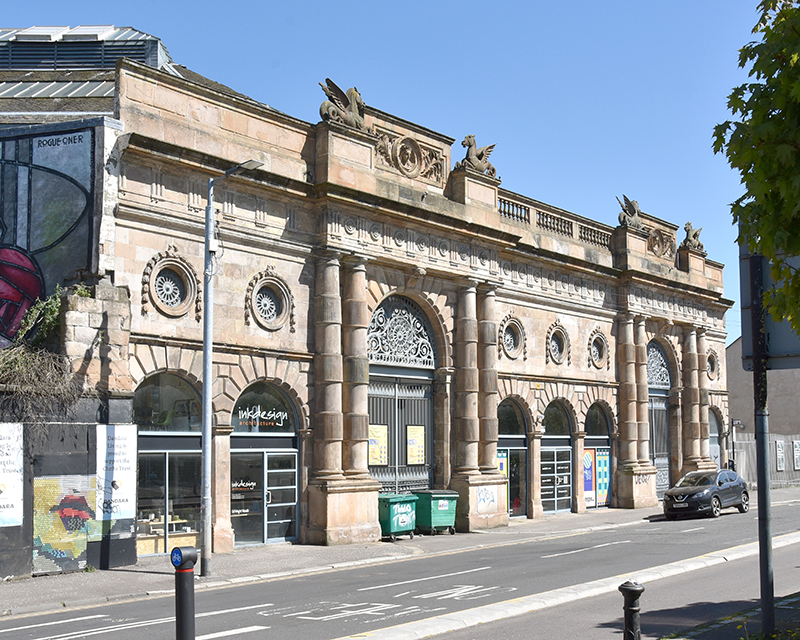
The Briggait is one of the AHF-supported projects. The A-Listed building, which dates back to 1873, is a former fish market hall that has been given a new lease of life as a creative city centre space.
Gordon Barr, Scotland development manager for the AHF, spoke to Project Scotland ahead of the opening of the touring exhibition, which has already visited Belfast and will later travel to Cardiff and London.
“This is an exhibition to celebrate 50 years of the Architectural Heritage Fund,” he revealed. “We’re an independent charity. We operate across the UK and have different programmes in each of the four UK nations.
“The key remit is trying to support largely community-led organisations to find sustainable new uses for historic buildings. We don’t give projects funding and support to save a building for the sake of it. We give people funding to do something interesting with historic buildings. It’s all about a sustainable use.
“The Briggait in Glasgow is a fantastic example of that. It’s a category A-Listed building; a real commercial heart of Victorian Glasgow as well as the fish market. It’s now a fantastic creative space. It’s a great example of that creative repurposing of historic buildings.”
The AHF is dedicated to repurposing historic buildings of all sizes as a catalyst for locally led regeneration. These buildings are typically places that really mean something to people and finding a viable new use for them can be transformative for communities.
“What we tend to find is that if you restore a building on the high street – the Hippodrome Cinema in Bo’ness is a fantastic example of this – it becomes a real catalyst for wider change in the community,” Gordon added. “The Hippodrome brings footfall into the town centre, which benefits retail, restaurants and pubs. It’s that ripple effect that we see.
“This exhibition is about celebrating and trying to give a sense of the scale, range and variety of different projects that we’ve supported in the last 50 years. In Scotland we fund about 50-60 projects every year. In Scotland we’re funded primarily through Historic Environment Scotland and some funding from the William Grant Foundation.”
The AHF supports projects primarily in three ways. The first is through free advice. Second is the provision of early-stage grants, which can help projects get off the ground and build the case for larger capital funding. The third is loan finance, which can help with the acquisition of buildings, plug short-term funding gaps, and provide working capital through the delivery phase.
“We’re quite a small-scale funder in the great scheme of things, but we like to think we have quite a big impact for our size,” Gordon stated. “We get really good feedback about the value of support that we give; that it’s more than just the money. It’s the advice, the support, the flexibility that we offer, the understanding of what people are trying to do. I’ve been with AHF for about 12 years and it’s a fantastic privilege to be able to visit projects, visit people, visit communities, hear about what they want to do, see buildings in sometimes quite dilapidated states, and then be able to support them through that journey to the point where the buildings are usable and operating at their full potential.”
The AHF has supported projects all over Scotland, from the Borders to the Shetland and Western Isles, and just about everywhere in between. Notable projects include Fairfield Shipyard, Leith Theatre, and Ardnamurchan Lighthouse. The projects all vary in terms of size and scale. The buildings don’t require to have listed status, but they must be of historical interest.
“It’s about a community saying to us: ‘this building is important to us because..’ and explaining why,” Gordon added. “A great example is the Auction Mart in Rogart, north of Inverness, which looks like a cow shed. It’s where they took the cattle to be auctioned. Now it’s a fantastic community and music venue. That’s not a building that shouts heritage, but it’s a place that means something to that community.”
While the AHF has been promoting the re-use of older buildings for the last 50 years, the modern focus on sustainability means the notion of finding new leases of life for historic structures rather than demolishing them has never been more relevant. Gordon revealed that most older buildings were ‘pretty solidly built’, which means they align perfectly with modern day sustainability ambitions.
“If you look after them well, they will last. With a bit of investment, a bit of TLC, careful knowledge and appropriate advice and support from professionals, design teams and the right contractors, these buildings can last for another 150 years and continue to serve the communities they were built for.”
Architectural Heritage Fund: 50 Years of Reimaging Heritage runs until May 16, Monday to Saturday, at The Briggait in Glasgow.