

GLASGOW Caledonian University has announced its research is helping to shape the next phase of Scotland’s approach to home energy efficiency, following the publication of consultation feedback on a proposed new national assessment framework.
Findings from the Scottish Government’s public consultation show strong support for the development of a Heat and Energy Efficiency Technical Suitability Assessment (HEETSA), with 79% of respondents backing the approach.
Last year a team led by Glasgow Caledonian researchers in collaboration with Robert Gordon University, Carbon Futures, Bield Housing and Care, and three independent peer-reviewers, conducted a review to support the design of HEETSA. The initiative is designed to complement existing Energy Performance Certificates (EPCs) by moving beyond standardised ratings to provide more detailed, property-specific information about improvements.
The consultation explored how a more technically robust assessment could take account of real-world factors such as building condition, ventilation, climate and occupant behaviour − particularly in older and more complex buildings.
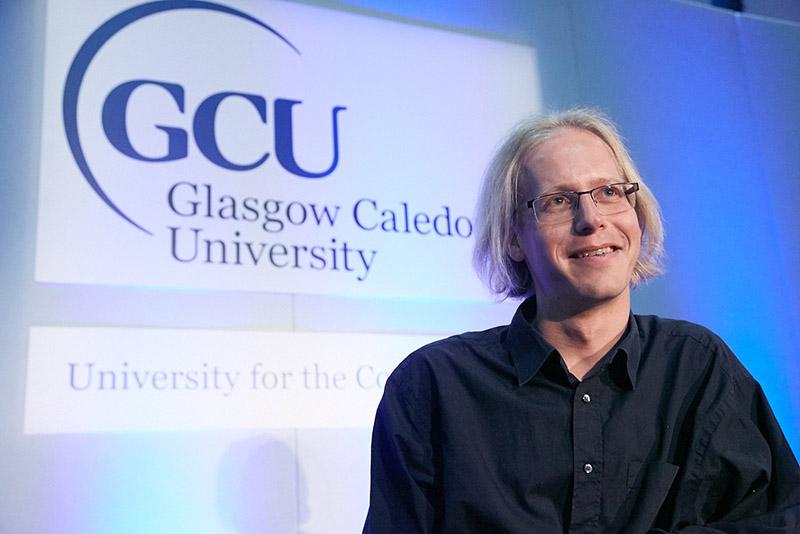
Dr Keith Baker, research fellow at Glasgow Caledonian University, said, “Our research showed that EPCs often fall short in delivering meaningful, actionable advice – particularly for Scotland’s older and traditional buildings. The strong support seen through the consultation reflects a growing recognition that we need more robust, evidence-based approaches to retrofit. By focusing on the condition and performance of individual buildings, HEETSA can help avoid inappropriate measures and improve long-term outcomes for households.”
At the heart of the proposed model are two key principles: a ‘maintenance first’ approach, prioritising essential repairs before upgrades, and a ‘no regrets’ approach to ensure measures remain effective over time.
Unlike EPCs, HEETSA would involve trained, independent assessors conducting detailed, site-specific evaluations and working directly with occupants to identify suitable improvements and avoid risks such as dampness, mould or inappropriate installations.
Consultation responses also highlighted support for a regulated delivery model, standardised reporting, and greater use of real-world performance data.
The Scottish Government has indicated it will continue to develop the HEETSA approach during the next parliament, including further consultation on detailed proposals and work on methodologies and skills requirements.
Dr Baker added, “Fixing the basics first allows households to get the full benefit from energy efficiency upgrades and renewables. It also reduces the risk of costly mistakes − such as installing insulation in damp walls or having to redo work later.”
You can view the results of the consultation here.