
Mohannad Altabbal, senior customer success manager at Graphisoft, explains how the use of digital tools can help Scotland realise its retrofit ambitions
THE latest Scottish Housing Condition Survey reports that fuel poverty in Scotland rose to 34% in 2023 (about 861,000 households), up from 2022. With EPC reform due on 31 October this year and proposed minimum energy efficiency standards for privately rented homes, the case for retrofit is compelling.
The brief for the industry is clear: homes must use less energy, work with low-carbon heat and be resilient to the climate of the future.
But how can project teams translate targets and regulations into buildable solutions on site, from urban plots to exposed coastal locations? The answer to delivery is digital.
Designing performance from day one
Many architects are already considering sustainability in their projects. In Anstruther, Fife Architects took a 1960s bungalow from an EPC rating D to an A. Fermín Beltrán Dos Santos, partner at Fife Architects, was dedicated to refurbishing the building, rather than demolishing and rebuilding. Fermín used Archicad’s evaluation tool to perform dynamic building energy calculations.
“By analysing various energy-efficient connections, details, and glazing configurations, I could optimise the designs for maximum energy efficiency, which in turn reduces the environmental impact of our projects,” he commented.
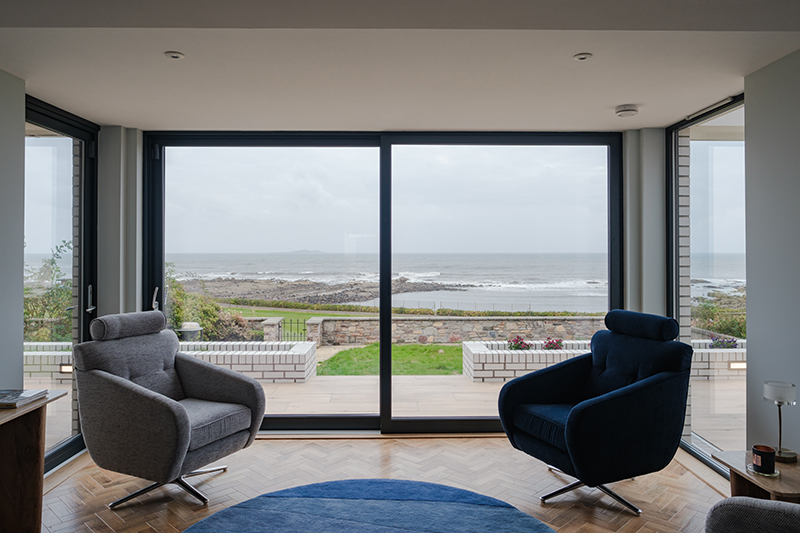
This strategic approach went one step further and found that underfloor heating wasn’t necessary upstairs, saving significant time and costs. With this additional budget, the client was able to install battery storage, further lowering their energy bill.
Climate, comfort and care
Future-proof homes are designed to cope with climate change, accommodate ageing occupants, and be ready for smart technologies.
The same Fife retrofit project used the model to plan for long-term accessibility, so the home can adapt as its occupants age, promoting independence and quality of life.
“By remaining in familiar surroundings, individuals can maintain a sense of control over their lives and preserve their routine and social connections. This leads to improved mental well-being and a higher quality of life,” Fermín added.
This level of control also extends to fabric decisions. Fife Architects used Archicad to map the path of the sun to ensure each room would receive enough sunlight, finding the rear was gaining too much sunlight and overheating the room. Using this information, Fife Architects created an overhang to the rear to provide shading.
Communicating with project stakeholders
The next step is delivery, and that requires a common view of the design intent. Even the smartest specification fails without a shared understanding of the site and project.
Visualisation models reduce ambiguity, accelerate decision-making and cut waste.
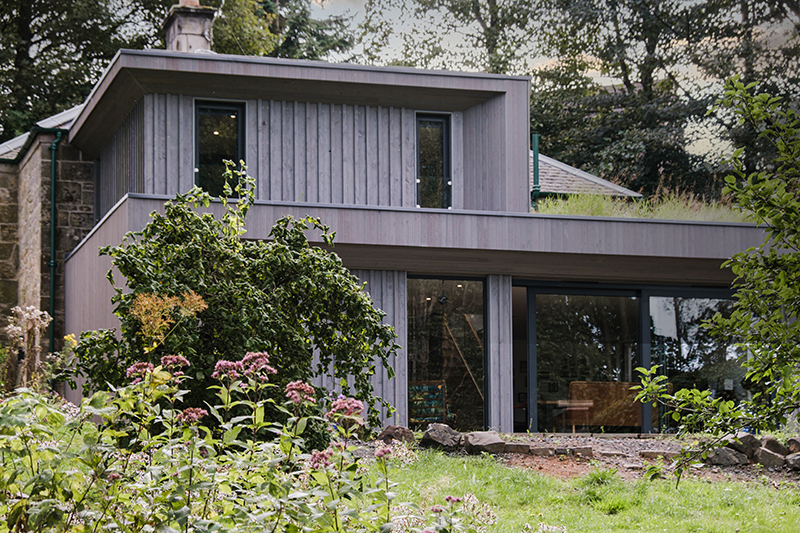
On the C-listed Balbirnie Gate Lodge extension in Markinch, Fife Architects used technology to show the client, contractor and planning department how the design would look. Fife Architects used the Twinmotion integration with Archicad to produce high-quality renders that could be placed onto real photos of the existing building.
“Having these images of the plans in situ gave the planning department the confidence to give us approval,” explained Fermín.
The team also valued Archicad’s ability to communicate design intent to contractors, ensuring accuracy in construction, as Fermín added: “We particularly appreciated the BIMx integration with Archicad, which streamlined collaboration and communication with clients, contractors, and suppliers throughout the project.
“We regularly updated the BIMx model throughout the project, which proved incredibly beneficial for the client to visualise and experience the project in real-time during both the design process and construction. This also saved us substantial time as we didn’t need to create separate presentations – instead, the client could explore the BIMx model for themselves.”
The result is a building that seamlessly harmonises with the existing setting, with the subtle combination of tradition and modernity.
Digital tools turn ambition into delivery. They let teams test fabric options and design, consider future-proofing decisions, and keep everyone aligned from planning to site. Clients see fewer surprises and faster approvals; architects and contractors get evidence-based specs and coordinated information.
Scotland needs homes that use less energy and work with low-carbon heat. The industry needs to make digital the default, and those outcomes follow.