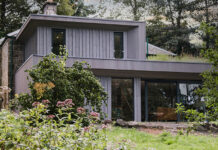


David Grace, sales director at Saint-Gobain Exterior Solutions, explains that when specification decisions are made in isolation or too late in the process, this can increase on-site issues and compromise a building’s performance
Why substrate matters
Render products have essentially followed the same traditional sand and cement principles that have existed for generations, but today’s factory-produced systems are far more advanced. Manufactured under controlled conditions, they benefit from additives that improve handling and adhesion, and deliver greater resistance to water. However, performance always depends heavily on correct specification.
Every building type and substrate behaves differently with factors such as suction rate, density and surface key determining how the render bonds and cures. The best system in the world cannot compensate for being applied to an unsuitable substrate. Involving manufacturers at design stage ensures the right system is selected for the substrate, the exposure of the site, and the project’s aesthetic and structural requirements.
Detailing for durability
Good design and correct specification go hand-in-hand. Architectural design details such as soffits, overhangs, drip beads and reveals are not only decorative but also provide essential protection against weathering and water ingress.
These details help reduce the exposure category of a building and directly influence long-term durability. Following the guidance set out in BS EN 13914-1 Design, preparation and application of external rendering is critical to maintaining performance through every stage of construction, and early engagement allows these considerations to be built in, rather than corrected later.
The hidden cost of substitution
Once a render system is specified, it becomes embedded in a complex set of interrelated design and warranty considerations and decisions. Replacing one system with another part way through a project is rarely straightforward.
Changing a product means changing how it interacts with the substrate, how it is installed and how it performs over time. This is precisely why correct specification at the start is so critical.
The devil’s in the detail
Weather and site conditions play a surprisingly large role in successful application. Render requires at least two consecutive dry days and temperatures consistently above 5°C. If the substrate is too hot and/or windy, moisture is drawn out of the render too quickly; if too cold or wet, it won’t bond properly. Even high humidity can interfere with drying time. These are small, easily overlooked details that can make or break a façade.
Early collaboration means site teams understand these constraints and can plan accordingly. Pre-start site inspections and clear technical briefings help identify risks before work begins. This proactive approach, underpinned by manufacturer support, prevents many common on-site issues before they arise.
Addressing the skills gap
A great render product is only as good as the person applying it. Even the best-designed system will fail if not applied correctly. The construction industry continues to face a significant skills challenge, and manufacturers have a responsibility to help bridge that gap. Providing training, best-practice guidance and access to qualified applicators ensures consistent performance across regions and project types.
Places with character
Modern render systems provide excellent scope for design freedom with textures, colours and finishes that allow a building to establish character and reflect local context. However, these aesthetic choices still have technical implications, reinforcing the need for early-stage collaboration to balance design intent with performance and budget.
Collaboration builds confidence
Successful façade delivery ultimately depends on early engagement, technical rigour, and clear communication. Manufacturers who offer full site-specific specifications, pre-start inspections, on-site support and robust warranties backed by environmental product declarations (EPDs) are not offering promotional extras but fulfilling a shared responsibility, ensuring everyone involved has the confidence and information needed to deliver a high-quality outcome.
Looking ahead
With regulations tightening and sustainability demands increasing, early collaboration has never mattered more. Today’s render systems must satisfy performance, aesthetic and environmental requirements simultaneously. Achieving that balance demands expertise and coordination from the earliest design discussions.