


SCOTLAND’S construction sector is backing calls for the appointment of a cabinet-level minister for construction and infrastructure within the Scottish Government.
This was one of five key policy requests outlined in a new skills manifesto, launched by a collective of leading trade bodies ahead of this year’s Scottish parliamentary elections.
The Scottish Construction Qualifications & Skills Council’s manifesto is backed by a coalition that includes the Scottish Decorators’ Federation, Scottish Building Federation, Scottish Plant Owners Association, Contract Flooring Association, and the Federation of Master Builders. They want to see a dedicated cabinet-level minister to provide a single, high-level voice for the sector to provide leadership.
Project Scotland asked a number of stakeholders from across the industry for their views on this suggestion – and found strong support for the idea.
Lynsey Breen from AC Land Generation, part of the Advance Group, said the appointment of a cabinet-level minister for construction and infrastructure would be a ‘significant step’ towards giving the sector the strategic focus it requires.
“Construction is the delivery mechanism for Scotland’s housing, energy transition, transport and digital infrastructure, yet too often policy, planning, procurement and skills sit in separate silos,” she added. “As an integrated group working across land regeneration, civil engineering, utilities, structures and our own training academy, we see first-hand that a visible, coordinated pipeline is what allows businesses to invest in apprenticeships, upskill the workforce and deliver at the pace and scale the country needs.
“A single point of leadership would support earlier engagement, faster decision-making and better alignment between infrastructure investment and development. That is essential to unlock complex brownfield sites, accelerate housing delivery, enable low-carbon energy projects and create long-term, high-quality employment across Scotland. Most importantly, it would recognise construction as a strategic partner in delivering sustainable economic growth.”

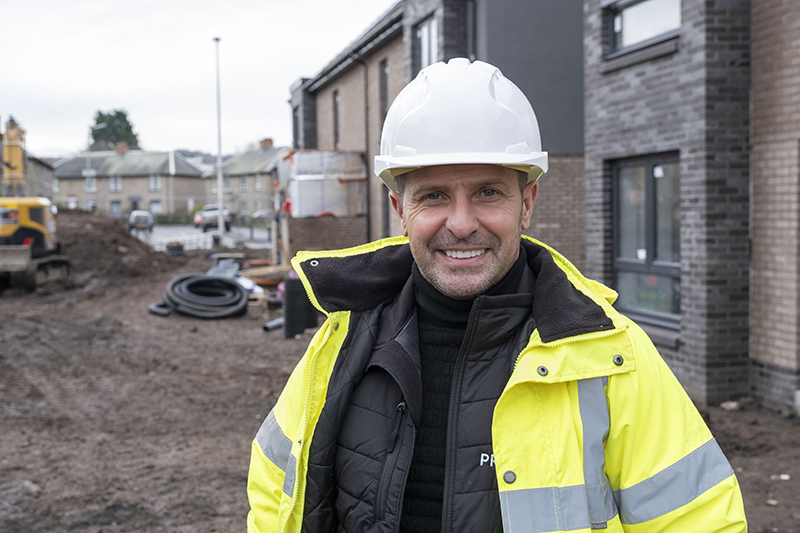
Derek Innes, owner and MD of Hamilton-based contractor Procast Group, agrees.
“Construction contributes over £15 billion to Scotland’s economy and employs 234,000 people, yet the sector still has no dedicated political lead,” he said. “That is unsustainable given what lies ahead. Delivering 110,000 new homes, meeting net zero targets, and managing the largest infrastructure pipeline in Scotland’s history requires a single, high-level voice driving joined-up decisions.
“Retrofit, in particular, demands urgent political attention. Scotland has millions of homes requiring energy efficiency upgrades to meet climate targets, and the specialist skills needed to deliver that work. At Procast Group, apprenticeship training has also been central to our business for over 10 years. The manifesto is right to highlight the broken funding model. The industry has united behind this manifesto. The next Scottish Government must act on it.”
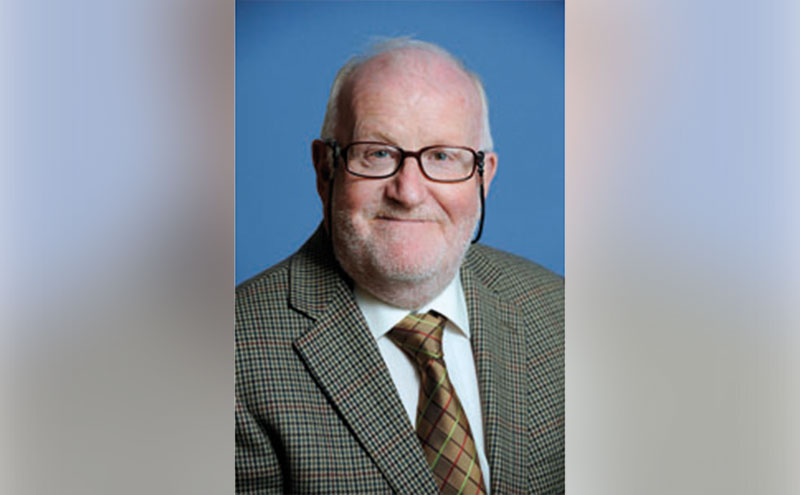
Len Bunton, president of the UK Conflict Avoidance Coalition, also supports the call for a minister who will work to understand the industry and its current challenges.
He added, “However, I want to make three points – first it is vital that the minister gets out and engages with the industry at all levels, to understand the issues. Second, the minister must listen to the industry about promoting the likes of improving procurement practices and concentrate on quality and capability, and not price, and also to endorse and support Project Bank Accounts and conflict avoidance processes. Third, industry needs to start sorting out some of its own problems and drive change.”
Chris MacLeod, regional director at GRAHAM Building, said the fact responsibility for construction currently sits across several policy areas can make it more difficult to align decisions with the practical realities of delivering projects on the ground.
“As Scotland looks to accelerate housebuilding, invest in infrastructure and support the transition to net zero, ensuring the sector has clear representation within government will become increasingly important,” he explained. “A cabinet-level minister dedicated to construction and infrastructure could help provide clearer strategic oversight and better coordination across the policy areas that shape project delivery.
“However, for the role to be effective, it must be held by someone with a strong understanding of the sector and its challenges, ensuring policy is grounded in the practical realities of delivering projects.
“Delivering Scotland’s future infrastructure and housing needs depends on strong partnership between government and industry. Clear, consistent leadership within government can help create the conditions needed for the public and private sectors to work together and support long-term, sustainable growth.”

Gail Matheson, CEO at HHA, believes a cabinet-level minister would be a positive step if it brings a stronger strategic focus to how Scotland delivers its ambitions.
“Many of the Scottish Government’s biggest priorities – from tackling the housing emergency to delivering new schools and supporting major infrastructure – rely on a construction sector that has the skills and resources to make them happen,” she stated. “However, building that capacity takes time. Apprenticeships can take four years before someone becomes fully qualified and more still needs to be done to encourage school leavers to explore a career in construction.
“At the same time, policy decisions are sometimes made without fully considering the practicalities of delivery. Measures such as the transition to low-carbon heating are important, but they often increase costs for developers and housing providers.
“A dedicated minister who understands these challenges, and can help align policy with the realities of delivery on the ground, could play a valuable role in helping the sector support Scotland’s long-term housing and infrastructure goals.”

Ewan MacGregor, MD at Helica, would like to see the role backed by genuine sector understanding.
“Having a dedicated champion at cabinet level could help ensure the industry’s priorities are represented consistently within government and that policy decisions recognise the sector’s strategic importance,” he said. “However, for the role to have real impact it must be more than a symbolic appointment. The individual would need a strong understanding of the construction sector and the challenges it faces, from skills shortages to planning and project delivery.
“Stability in the role will also be important. Frequent changes in ministerial leadership, as seen elsewhere in the UK housing portfolio in recent years, risk undermining continuity and long-term policy progress. What the industry needs is informed, consistent leadership and meaningful engagement with the sector.”

Sharon Miller, SELECT MD designate, highlighted that, as a founding member of the Construction Industry Collective Voice (CICV), SELECT was among those who first championed this proposal in 2021, recognising the sector deserves a ‘clear and consistent voice’ in government.
“The challenges facing our industry, from rising apprenticeship costs to an urgent need for regulation of the electrical profession, show why strategic leadership at the highest level is essential,” she said. “A minister with real authority could drive long‑term planning, support a robust skills pipeline and help ensure public safety as Scotland’s reliance on electricity grows. This is an opportunity to deliver coherence, accountability and meaningful progress for the whole sector.”

Fergus Adams, director at Dougall Baillie Associates, said that, from the perspective of an engineering consultancy working closely with developers, contractors, and public bodies across Scotland, construction and infrastructure are fundamental drivers of economic growth.
“Investment in the sector generates a significant multiplier effect, often estimated to be around three times the initial spend, supporting employment, supply chains, and wider regional economic activity,” he added. “The appointment of a cabinet-level minister for construction and infrastructure could provide a clearer and more consistent voice for the industry within government.
“The sector sits at the heart of many national priorities, including housing delivery, transport connectivity, and the transition to net zero, yet responsibility is often spread across multiple portfolios. A dedicated minister could help improve coordination across these areas while championing the importance of long-term infrastructure investment. Greater clarity around policy direction and project pipelines would give the industry increased confidence to invest in skills, innovation, and capacity to support Scotland’s future development.”

Sofie Hooper, deputy CEO at The Association for Project Safety (APS), said the organisation would welcome having a clear single voice for construction and infrastructure sitting at the Scottish cabinet table.
“Such a move would bring together a holistic policy approach that the sector needs to achieve the national outcomes that is expected of it,” she explained. “Delivering safe high-quality housing, supporting net zero targets including by transitioning old building stock, delivering infrastructure and regional growth while at the same time being an economic engine for growth.
“The barriers towards these outcomes remain long-term and structural; construction is one of the highest carbon emitting sectors, the skills gap remains chronic, infrastructure is ageing and housing shortages are an ongoing challenge. A single voice at cabinet level would signal long term commitment and seriousness to providing coherent policy solutions across departments, while acknowledging that construction is a key economic engine that needs solutions and investment unlocked at pace as part of the nation’s plan for the future.”