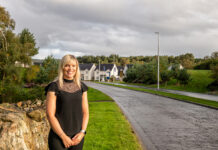


A climate‑resilience architecture academic has warned that most modern buildings are not designed for the impending impact of climate change.
Professor Emeritus at Heriot-Watt University Susan Roaf has over 50 years’ experience in extreme‑climate design, from the deserts of Iraq to Antarctica. She warns that as weather events intensify, less climate‑adapted buildings may increase health risks and place additional pressure on services.
Professor Roaf said, “We are moving into a world that is getting significantly warmer, with extreme weather records being broken year after year. Our workplaces, public sector care facilities and our own homes must be designed to cope with future conditions and currently ‘modern’ designs simply are not compatible with this reality.
“The government’s focus now is on warm homes but the need for cool homes is growing. More intense storms, heatwaves and cold snaps place additional pressure on energy systems. We need to be designing buildings and homes that will remain habitable should these systems fail.”
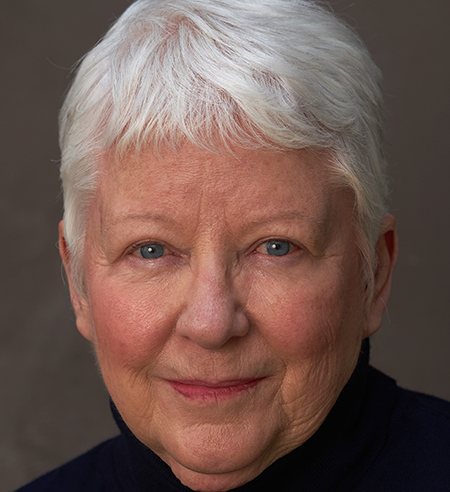
The warnings are set out in Professor Roaf’s new book ‘Adaptive Thermal Comfort: At the Extremes’, co‑authored with Fergus Nicol and Michael Humphreys.
Professor Roaf added, “For instance, with more people now working from home or in hybrid patterns, the cost and usefulness of large glass office building types must be looked at more closely. The higher the structures the higher energy demands and vulnerable to over-heating and cooling during power outages when mechanical systems fail.
“We’ve already seen what happens when buildings cannot function without electricity. Recent winters showed that some rural Scottish communities experienced extended power interruptions, during which lightweight homes cooled more quickly than traditional constructions.”
The same design logic is embedded in hospitals, schools and care settings, Roaf warns, buildings that often have sealed facades, restricted or non‑existent opening windows, and ventilation that can spread pathogens with recirculating air.
She argues there is a need to move to the next generation of climate-safe, low impact buildings that are ‘mixed‑mode’ buildings that can run on local energy with sun and natural ventilation, shading and energy storage for as much of the year as possible and only report to heating and cooling when needed.