
FALKIRK Council has unveiled plans for a £276.6 million capital investment programme covering 2026 to 2031.
Councillors will consider the proposals later this month, with the investment focused on improving schools, community facilities, transport infrastructure, parks, and digital services across the region.
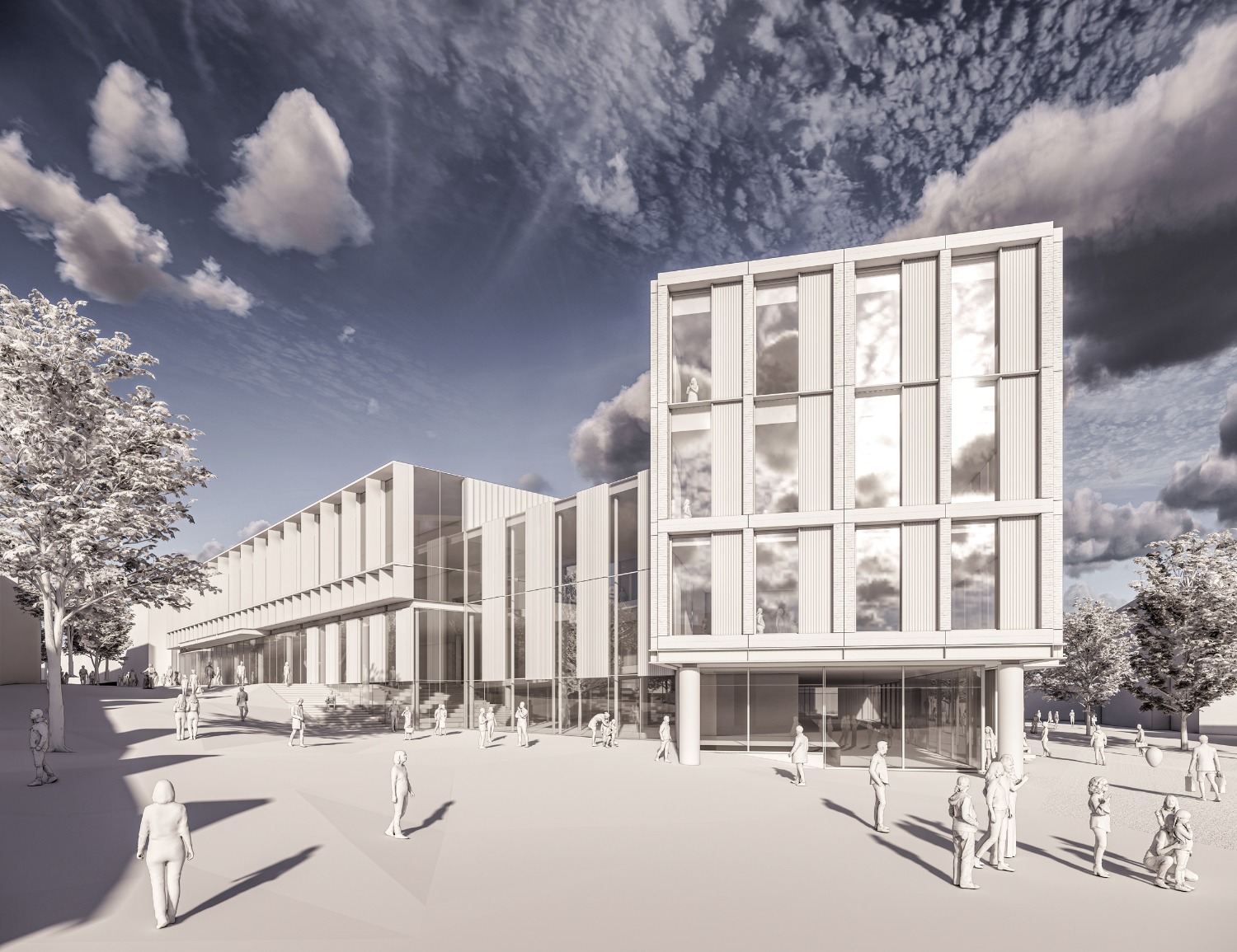
A significant element of the programme is continued investment in major projects already underway or in development over 2026/27. Plans include further progress on the new Falkirk Town Hall. Around £64.8 million is included to allow the project to move through the next stages of design, planning, and construction.
Investment is also planned in the learning estate, including £29.2 million for the Carrongrange ASN campus extension. The programme also supports the reinstatement of Maddiston Primary School, with £12.8 million allocated to rebuild the school following earlier damage. Work is progressing with a target of reopening the school in August 2027.
Councillors will also consider investment in sports and leisure facilities, with funding directed towards projects in Bo’ness and Denny. A new sports facility is planned for Denny town centre. At Bo’ness Academy, a modern fitness suite, changing facilities, and multi-functional rooms for group activities together with associated improvements are planned.
Alongside the major projects, the programme includes investment in the infrastructure that supports everyday services. The ring-fenced council tax supports additional investment for 2026/27 in roads.
Around £76.8 million is allocated for roads, bridges, and transport infrastructure – supporting resurfacing programmes, bridge works, road safety improvements, and projects linked to the council’s active travel strategy. Investment is also planned in parks, cemeteries, and open spaces.
Amanda Templeman, chief finance officer, said, “Capital investment allows the council to maintain and improve the buildings, roads, and facilities that communities rely on every day. By planning investment over several years, we can prioritise the most important projects and ensure that resources, including ring-fenced council tax funding, are directed towards long-term improvements that support residents, services and local economic development.”