

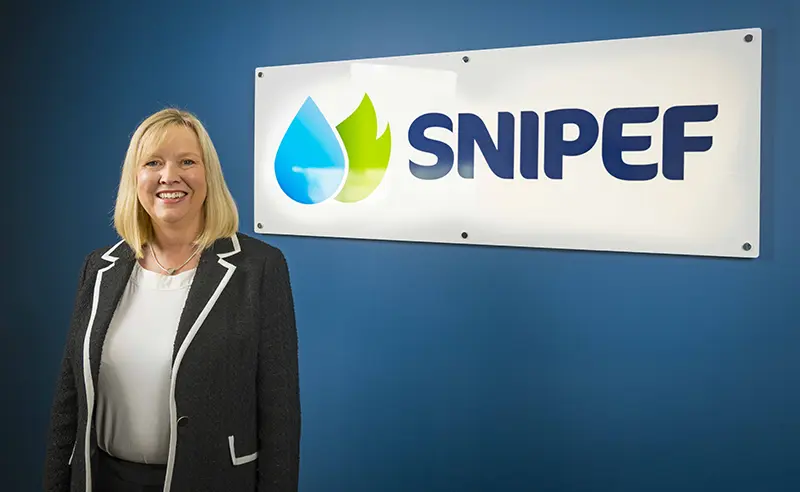
SCOTLAND’S plumbing and heating profession is warning that skills shortages and safety risks will grow without reform.
The Plumbing and Heating Federation (SNIPEF) has published its 2026 Scottish election manifesto. Supporting Apprenticeships: Fixing Scotland’s skills shortage, sets out evidence that employers want to train, but the lack of financial support from the Scottish Government is actively preventing them from doing so.
SNIPEF highlighted that government funding for apprenticeships has been frozen for 10 years, placing a ‘disproportionate’ share of apprenticeship training costs on employers. Small and micro businesses, which account for over 85% of the plumbing profession, face rising wage, supervision and college-release costs, creating a ‘funding imbalance that is no longer sustainable’.
As a result, 55% of businesses say they are very unlikely to recruit an apprentice in the next 12 months, even though over 80% agree that apprenticeships are essential to maintaining standards, safety and, workforce capacity.
Fiona Hodgson, chief executive of SNIPEF, said, “Employers are not walking away from apprenticeships; they are being forced out by a system that no longer reflects the real cost of training in a safety-critical profession. For most plumbing and heating businesses, the cost of an apprentice is not recovered until the third year, meaning the first two years are a growing and unsustainable financial burden.
“Without reform, small firms will continue to be priced out of training, deepening the profession’s ongoing skills shortage, ultimately impacting households, communities and the wider economy.”
SNIPEF’s Scottish election manifesto argues that funding policy has failed to keep pace with rising costs and modern training demands, with 77% of employers rating government support as inadequate to poor, and 93% saying increased funding is the key lever to unlocking new apprenticeship places.
SNIPEF sets out solutions designed to unlock employer participation while protecting quality and standards. These include:
- Staged completion-weighted employer grants that support apprenticeships over their full duration,
- Wage offsets for college attendance, and
- Recognition and support for the time and cost employers invest in apprenticeship supervision and mentoring.
The federation argues that public funding should be tied to outcomes such as completion and retention.
“Our proposals are not about lowering standards or shifting responsibility,” Hodgson added. “They are about sharing costs fairly, rewarding completion, and aligning public investment with long-term outcomes. If the Scottish government wants more apprentices, safer homes and a skilled workforce fit for the future, the system must work for the employers who deliver training on the ground.”
At the same time, SNIPEF cautions against reliance on short-term or accelerated training routes as a substitute for properly funded apprenticeships.