
THE Resource Management Association Scotland (RMAS) and sustainable resource management company Brewster Brothers have called on the Scottish Government to ensure that the forthcoming Scottish Aggregates Tax becomes a ‘powerful fiscal lever’ to accelerate decarbonisation across the construction sector.
The two organisations hosted a roundtable event in the Scottish Parliament last month, bringing together representatives from the resource and waste management industry with officials from the Scottish Government, Revenue Scotland and Zero Waste Scotland, and members of the Scottish Parliament.
Described as a ‘constructive discussion’, the industry partners highlighted how the Scottish Aggregates Tax – which will replace the existing UK Aggregates Levy in Scotland from 1 April 2026 – can be implemented in a way that shifts the sector away from virgin aggregates and towards high-quality recycled alternatives – particularly across Scotland’s central belt, where there is a ‘ready and high quality’ supply.
Ministers will set the tax rate in the Scottish budget, due to be announced on 13 January. RMAS and Brewster Brothers are jointly calling for a set of practical measures to maximise the environmental and economic benefits – including:
- A higher levy on virgin aggregates, set at a progressive rate and, with consideration given to regional variation where recycled materials are not yet accessible.
- Mandatory recycling of construction, demolition and excavation waste, moving recycling from a ‘where possible’ expectation to a consistent requirement – particularly in public procurement.
- An updated tiering system for aggregates, to reflect advances in recycling technology and set clear end-use standards.
- Enhanced registration and accreditation standards for recycled aggregate suppliers, supporting traceability, quality and confidence in the sector.
- Alignment between the Scottish Aggregates Tax and the Scottish Landfill Tax, ensuring both fiscal levers work together to promote recycling and discourage disposal.
- Stronger public procurement requirements, ensuring recycled aggregates are used in publicly funded developments wherever available.
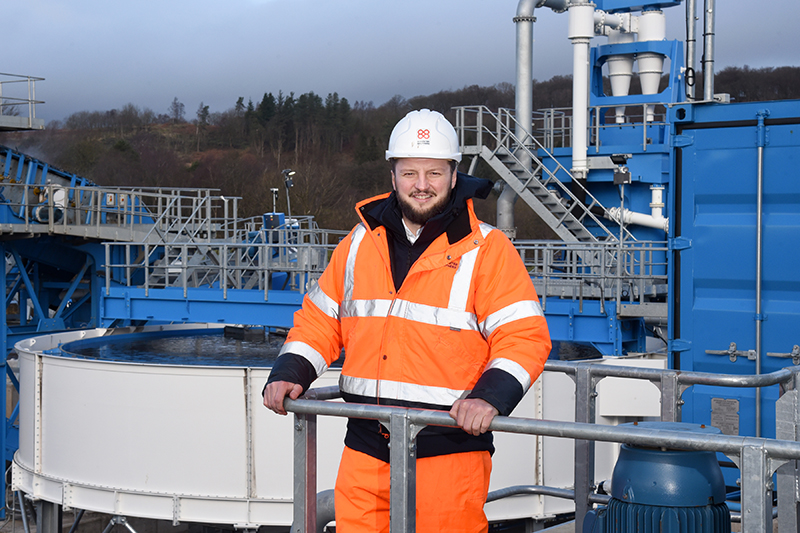
Scott Brewster, MD at Brewster Brothers, said, “The Scottish Aggregates Tax is a one-off opportunity to accelerate the transition to a circular, low-carbon construction sector – a key ambition for Brewster Brothers. High-quality recycled aggregates are already delivering significant carbon savings and supporting a resilient Scottish supply chain. Working alongside RMAS and other industry partners. We want to ensure that the new Scottish Aggregates Tax is designed in a way that encourages innovation, expands recycling capacity and delivers benefits across the whole construction sector.”
Drew Murdoch, chair and director at RMAS, added, “RMAS welcomes the opportunity to work alongside Brewster Brothers and industry partners to help shape the future of the Scottish Aggregates Tax. It is imperative that we continue to work collaboratively to optimise the use of recycled aggregates in support of the drive towards a more circular economy.”