
NEW figures from Network Rail have revealed that, from April 2024 to March 2025, there were 158 reports of vehicles striking bridges in Scotland.
The worst affected areas were Edinburgh (12 strikes), West Dunbartonshire (11) and Renfrewshire (11), with other hotspots in Falkirk (10) and Fife (10).
Elsewhere, there were nine in the Highlands; eight in Glasgow; seven in Perth and Kinross, Angus, Dumfries and Galloway, West Lothian, South Ayrshire, six in East Ayrshire and East Lothian; four in Moray, Aberdeen, East Renfrewshire, North Lanarkshire, and South Lanarkshire; three in Dundee and Inverclyde; two in Argyll and Bute; and one in East Dunbartonshire.
Across the whole of the UK, there were 1,666 reported bridge strikes – the equivalent to one every five hours, costing the rail industry £12 million in delays and cancellations.
To tackle the problem, Network Rail has partnered with risk-management specialists BES Group to trial a pioneering remote monitoring system at Harlaxton Road bridge in Grantham, one of Britain’s most frequently struck structures, carrying the East Coast Main Line above a junction of six roads.
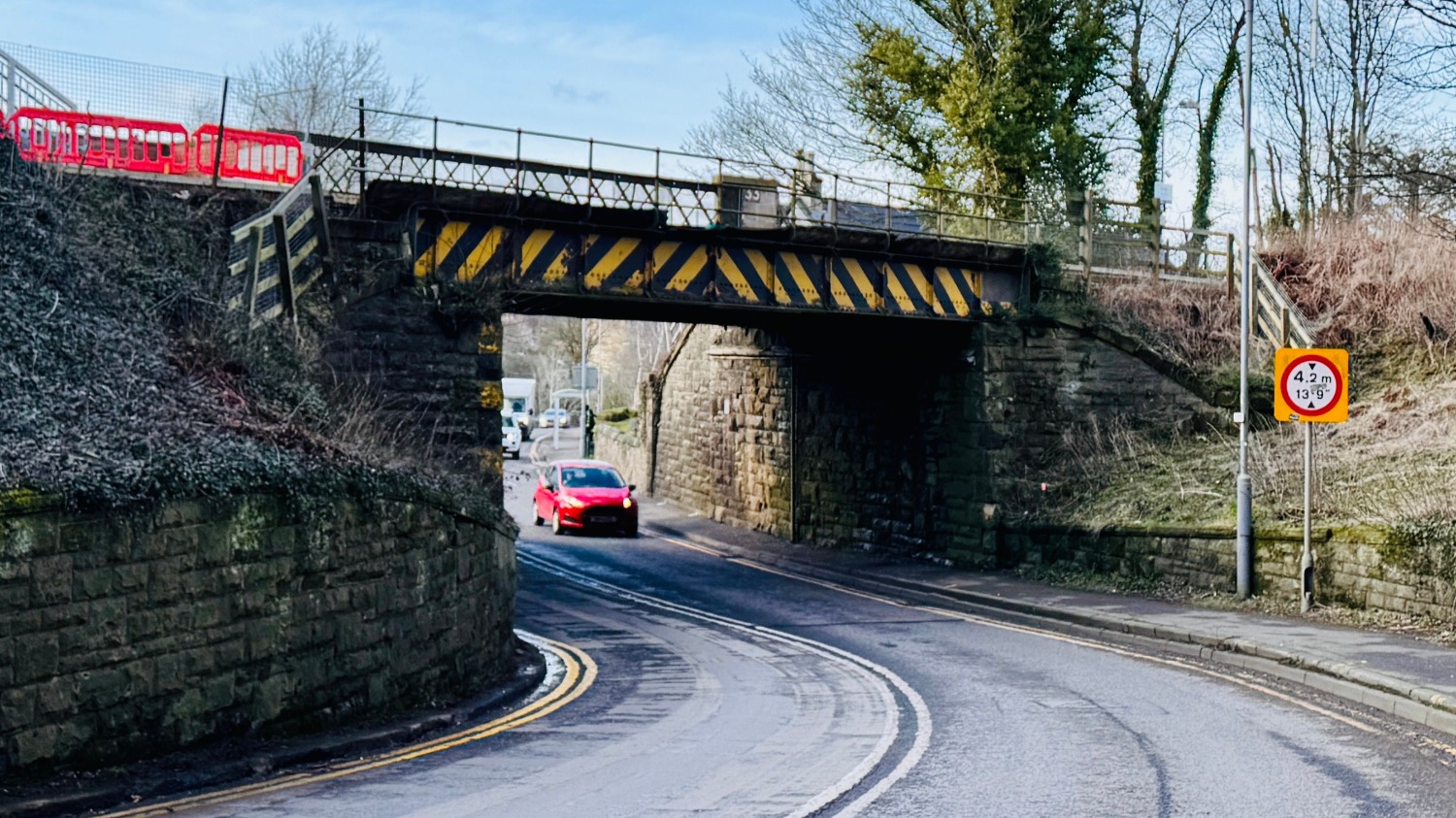
Despite prominent warning signs, chevrons, and protective beams, the bridge was struck 18 times between 2024 and 2025 and three times in a single week last November. One of those incidents alone caused £423,000 worth of damage and 59 hours of delays to rail passengers.
Network Rail hopes the trial will reduce the delays and costs caused by bridge strikes. The remote monitoring system provides real-time alerts using cameras and impact-sensing technology that captures data and video footage instantly after a collision. This allows engineers to assess the bridge within seconds, reducing disruption for passengers and improving safety for staff who would otherwise need to inspect the structure on track.
Alan Ross, director of engineering and asset management at Network Rail, said, “Bridge strikes are entirely preventable, yet they have real consequences for passengers, communities, and the wider economy.
“We’re working with partners to improve signage, strengthen compliance and raise awareness, but we need drivers and operators to do their part too.
“Check the height of your vehicle, plan routes that avoid low bridges, and never take chances. A few extra minutes of planning can prevent hours of disruption.”
Reporting a bridge strike:
If you are involved in, or witness, a bridge strike incident, it should be immediately reported using the telephone number on the identification plate fixed to the bridge.
If no plate is provided, the strike should be reported to the Police by telephoning 999. Strikes can also be reported to the Network Rail emergency helpline as a last resort on 03457 11 41 41.