
PARTS of Glasgow’s HMP Barlinnie have been recognised as a Category A-listed building by Historic Environment Scotland (HES).
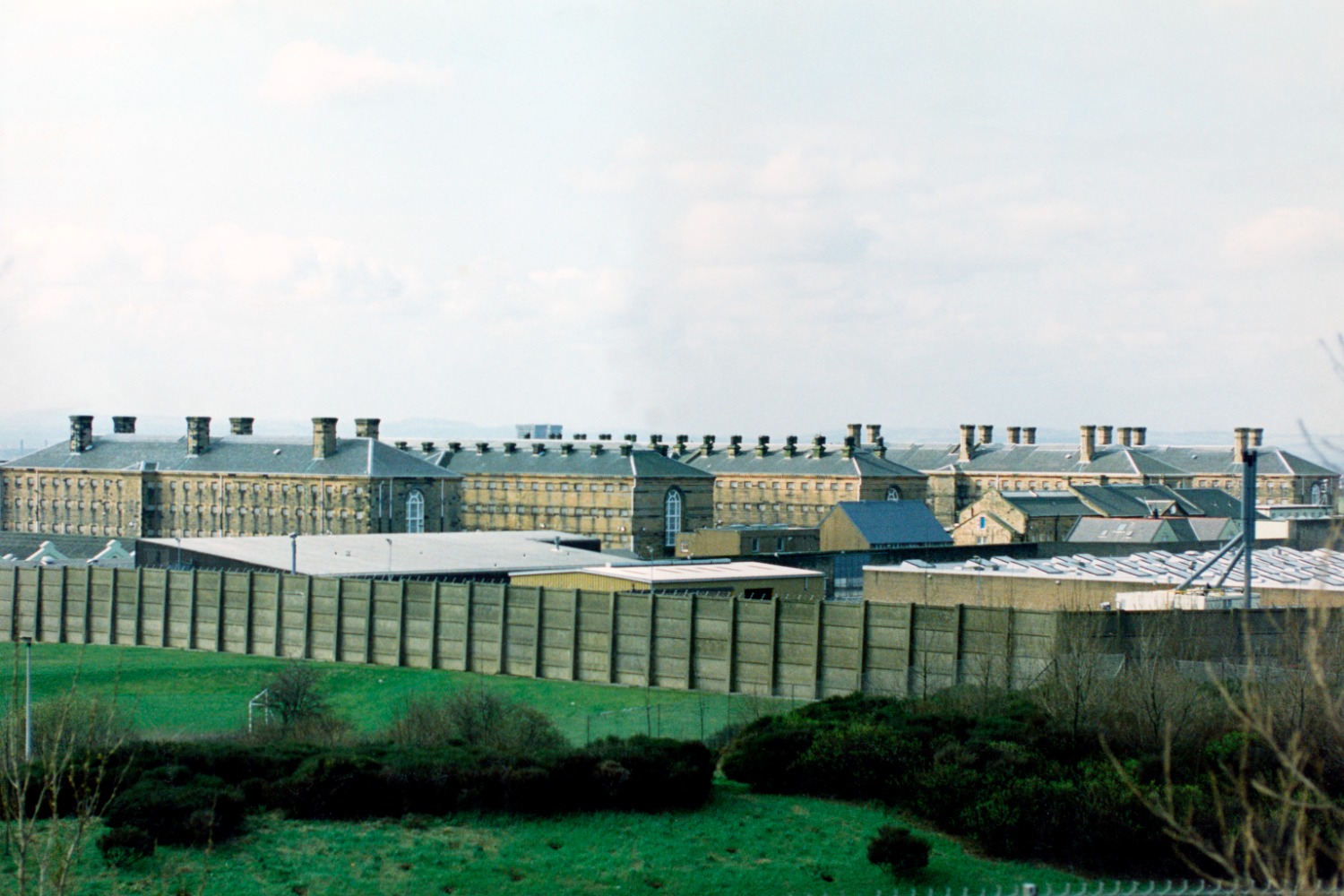
Situated in the north east of the city, HES said Barlinnie is ‘exceptionally important’ in the history of Scottish prison design and criminal justice as the most complete surviving example of a historic prison in Scotland.
The listing covers the surviving parts of the earliest layout of the site, developed between 1880 and 1908. This includes five accommodation halls, the chapel, the former infirmary and store building, the gatehouse, work sheds, and the surviving parts of the early boundary wall.
The decision follows a public consultation on the listing, where HES said the majority of respondents agreed with its assessment of the special architectural and historic interest of the buildings.
Dara Parsons, head of designations at HES, said, “Barlinnie is an outstanding example of a purpose-built prison complex in Scotland and holds great significance as the most complete surviving example of its building type. As Scotland’s largest and best-known prison, it also holds an important place in the national consciousness. This listing will ensure that what makes this building special can be considered in any decisions about its future.”
Construction of Barlinnie started in 1880 and the site opened in 1882, the first new prison to be built in Scotland following the nationalisation of the prison system with the Prison Act of 1877.
The large parallel prison blocks displayed the influence of a new prison design established in the UK from this time, with a move away from the overtly fortified architectural elements seen in earlier prisons. This reflected the thoughts of the time about how best to look after and reform prisoners.
Building at Barlinnie continued throughout the late 19th century, and the prison continued to expand in the 20th and 21st centuries with a number of alterations and modernisations. Most of the early prison buildings survive and retain their historic character.
HES added that the buildings are also significant for what they reveal about changing attitudes to prison discipline and reform in Scotland. In the late 19th century, prisoners carried out hard labour, breaking rocks from a local quarry. Barlinnie soon developed a reputation for being a tough prison with harsh punishments, where prisoners were restrained in handcuffs and canvas jackets overnight. In the mid-20th century, Barlinnie was also a place of capital punishment. Ten men were executed by hanging at the site between 1946 and 1960, before the abolition of the death penalty in 1965.
The later 20th century saw the opening of an experimental facility called the Barlinnie Special Unit. Operating from 1973 to 1994, this unit took a new approach to reforming some of the most violent inmates, allowing them greater freedoms. Prisoners could wear their own clothes and had increased access to their families. They were also encouraged to explore creative activities and the unit achieved high-profile success stories, such as Jimmy Boyle who became a sculptor and writer.