

HISTORIC Environment Scotland (HES) has warned that some of the nation’s most significant heritage properties are being affected by climate change.
The organisation said changing weather patterns are creating more water ingress and placing additional stress on historic masonry. Scotland’s average temperature over the last decade was 1°C warmer than the 1961 to 1990 baseline, and winters were 25% wetter, intensifying the processes that crack and erode masonry. Future projections from Adaptation Scotland suggest typical winters could be warmer and wetter, while summers become hotter and drier, increasing risks of drought and wildfires.
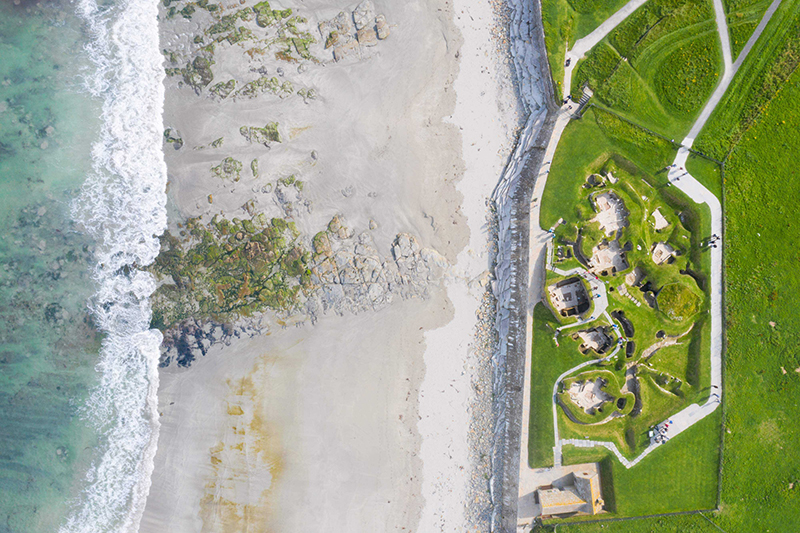
Sea levels will continue to rise and long-term projections show coastal flooding and erosion will intensify, threatening sites such as Skara Brae and Blackness Castle. Dynamic Coast research estimates coastal erosion could put around £1.2 billion worth of property and infrastructure at risk along Scotland’s shores over the next 25 years.
2025 has seen the highest number of weather-related site closures and access restrictions at HES properties in the past decade, with 281 so far this year.
HES is identifying solutions for managing these challenges, which are set out in its draft Properties and Collections Strategy. The organisation is calling on people across the country to take part in a consultation, which is open until 23 January.
People are being asked to express their views on the proposed plans and changes to how HES could operate and manage the historic places, objects, and archival records in its care.
HES is proposing to strengthen its response, including a combination of management approaches to help mitigate the effects of climate change. As well as suggesting testing ‘innovative solutions’, the organisation has suggested its conservation principles must be more pragmatic, including necessary interventions as appropriate to further build resilience, such as interventions at wall heads, reinstatement of roofs, and other water-shedding elements.
Nathalie Lodhi, head of climate change at HES, said, “Unroofed historic sites, like many of our properties in care, are more susceptible to the effects of climate change as they no longer shed water effectively, putting them at higher risk. More frequent and intense storms mean more emergency repairs and structural monitoring, while temperature variations lead to higher risk of mould or issues from humidity. It’s not a question of what climate change is doing to our historic environment, but how fast it’s happening.”
Dr David Mitchell, director of cultural assets at HES, added, “Our historic environment is a huge part of what makes Scotland so special. We already know that we need to take action to protect it for future generations, but we need input from people across Scotland to help us identify what we should prioritise and ensure our strategy reflects the needs of local communities. That’s why we’re urging everyone – whether they work in the heritage sector or simply feel an affinity with Scottish culture – to take part in our consultation.”
The consultation is available now on CitizenSpace and will remain open until 23 January. The final strategy is expected to be published in spring 2026.